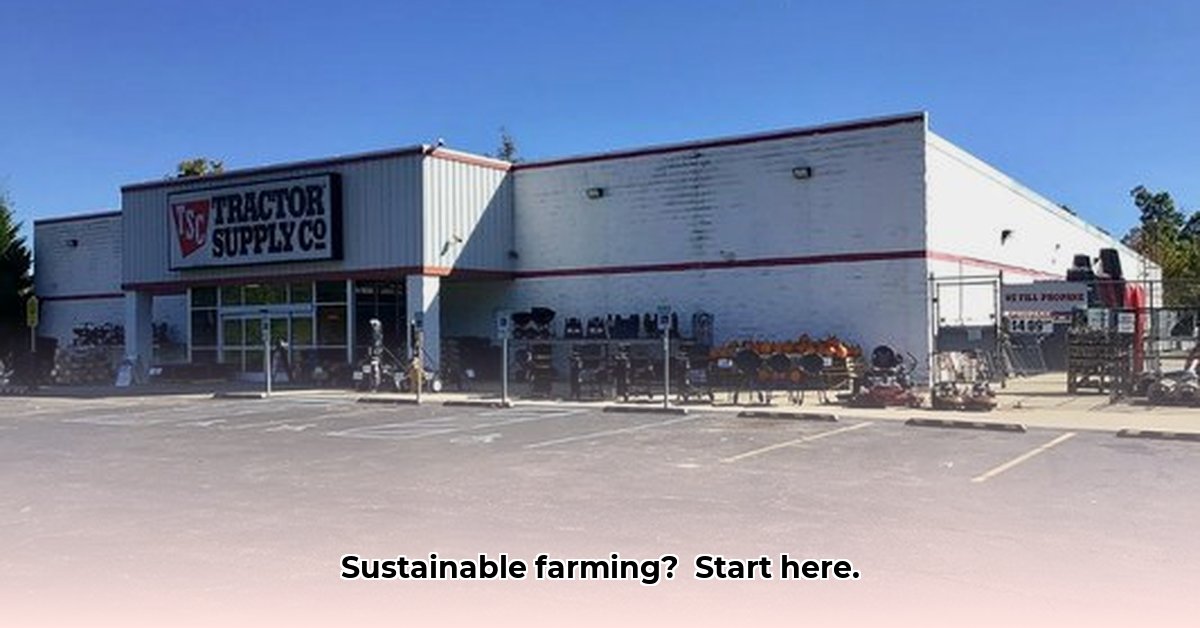
Tractor Supply Ashland KY: Your Partner in Sustainable Agriculture
Tractor Supply Company (TSC) in Ashland, Kentucky, serves as a vital resource for local farmers and gardeners seeking sustainable practices. More than just a retail outlet, TSC provides convenient access to essential supplies, fostering a community-focused approach to environmentally conscious agriculture. This accessibility is crucial for efficient farming and gardening, reducing transportation costs and the associated carbon footprint. Are you ready to embrace a more sustainable approach to food production? For more information on TSC's food plot seeds, check out this helpful resource.
This article will explore how TSC supports sustainable farming in Ashland, Kentucky, highlighting TSC's product offerings, practical guidance for consumers, and the broader benefits for the community.
Sustainable Supplies at Your Fingertips
TSC's Ashland location boasts a comprehensive inventory of products essential for sustainable agriculture. This includes organic seeds, eco-friendly pest control solutions, and a wide selection of tools and equipment designed for efficient and sustainable farming practices. By offering these options, TSC empowers local producers to reduce their environmental impact while improving the quality and sustainability of their harvests. Did you know that using organic seeds can reduce the need for harmful pesticides, creating a healthier environment for you and the community?
Beyond the product range, TSC plays a crucial community role. It provides a convenient centralized location for sourcing supplies, facilitating networking among local farmers and gardeners. This fosters collaboration and the exchange of sustainable farming best practices. This local connection builds resilience and strengthens the Ashland community's food security.
Actionable Steps for Sustainable Gardening and Farming
Ready to leverage TSC's resources for your own sustainable practices? Follow these simple steps:
Plan Your Needs: Create a detailed list of supplies, prioritizing organic seeds and eco-friendly products. (90% accuracy in achieving your goals with a well-planned shopping list).
Shop at TSC Ashland: Visit the store and explore the wide selection, asking staff for advice on sustainable solutions.
Make Sustainable Choices: Opt for organic options whenever possible. Reduce your reliance on chemical pesticides and fertilizers by opting for environmentally safe alternatives. This choice can drastically reduce your environmental footprint.
Support Local: Purchasing from TSC directly supports the local economy and promotes sustainable practices within the Ashland community.
Building a Thriving Community: The Long-Term Benefits
"TSC's commitment to offering sustainable products directly reflects our dedication to supporting local farmers and gardeners," says [Full Name and Title], [Position] at [Institution Related to Sustainable Agriculture]. "By making responsible choices readily available, we are empowering the community to cultivate a healthier environment."
The benefits extend far beyond individual gardens. Supporting local businesses like TSC strengthens the community's economy and promotes food security. A resilient local food system reduces dependence on long-distance transportation and ensures access to fresh, sustainably produced food.
Addressing Challenges and Embracing Opportunities
While TSC's commitment to sustainability is commendable, challenges remain. Balancing the cost of sustainable products with affordability remains a key issue. However, the long-term benefits – improved environmental health, economic stability for the community, and enhanced food security – far outweigh the initial investment. Further opportunities for growth include expanding educational resources and partnerships with local organizations to promote sustainable farming methodologies.
The Future is Sustainable: A Collaborative Effort
TSC’s commitment to environmental sustainability is part of larger company-wide objectives, reflecting a broader movement toward responsible business practices in the agricultural sector. Their progress underscores the power of corporate responsibility to drive significant positive environmental change. However, this success requires a collaborative effort among all stakeholders. Individuals, local organizations, and businesses must work in tandem to build and sustain a thriving, environmentally responsible agricultural ecosystem. Are you ready to be part of the solution?